
Short answer: No official list names the best personal injury lawyer in Manhattan Beach. Manhattan Beach is an incorporated city in Los Angeles County with its own police department, separate from Hermosa Beach, Redondo Beach, and El Segundo. Many California injury lawsuits carry a two-year filing deadline, and fit and clear written terms are worth comparing.
That two-year rule comes from Code of Civil Procedure section 335.1. A claim against a public entity, the City of Manhattan Beach included, generally has a much shorter six-month presentation deadline under Government Code section 911.2. This page sticks to three practical questions: how to evaluate a lawyer, which agency writes the report after a crash in Manhattan Beach, and how that report is requested. A Spanish version of this Manhattan Beach page is also available.
Attorney Advertising. “Best” in this title reflects how people search and the evaluation criteria below, not a comparative ranking, award, or guarantee of results. Prior results do not guarantee a similar outcome.
What should “best” mean when you look for a personal injury lawyer in Manhattan Beach?
Here “best” is a checklist for comparing, not an award. This page is not a ranking, and LA Law Group does not promise outcomes. The same questions work for any California personal injury lawyer you are considering:
- California license: Is the lawyer admitted to practice in California? The State Bar of California publishes attorney license records.
- Investigation plan: Is there a concrete plan for your facts, whether a car or motorcycle crash, a pedestrian or bicycle injury, or a fall, covering photos, witnesses, the correct police report, a medical timeline, and insurance coverage?
- Communication: Who will give you updates, how often, and how will you reach that person?
- Written terms: Does the fee agreement say in plain words when an attorney fee is owed and who pays case costs?
- Conflict check: Has the firm checked for conflicts with the other parties and the insurers involved?
- The right agency: Does the lawyer know where the report will come from? In Manhattan Beach that usually means the city’s own police department, except on state highways.
- Readiness for court: If the case does not settle, can the firm take it to trial without promising a verdict?
Practical rule: After a crash in Manhattan Beach, it helps to record which agency responded and the report number, when it is safe to do so. Those details show where the report can be requested later. Where a crash happened is context, not proof of fault.
How fees and case costs work at LA Law Group
No attorney fee unless we win your case. You are responsible for case costs regardless of the outcome.
All fee and cost terms are set out in a written fee agreement before work begins. Aryan Amid, Esq., the firm’s founding attorney, and the team can go through that agreement with you line by line.
Your initial consultation is free.
What are some types of injury claims that arise in Manhattan Beach?
These are some types of claims, and each one turns on its own evidence:
- Car crashes. The police report, scene photos, dashcam video, and each driver’s insurance policy are usually the starting point.
- Pedestrian injuries. Signal timing, crosswalk markings, sight lines, and any cameras that faced the street can matter. A related guide covers pedestrian accidents in California.
- Bicycle incidents. A door opened into a rider’s path, a turning driver who did not yield, or a shared lane can all lead to a claim.
- Slip, trip, and fall injuries. A broken step, a wet floor, or a damaged sidewalk can support a claim against an owner or manager, or against a public entity if the property is public.
Manhattan Beach and its neighbors: separate cities, separate police
Manhattan Beach, Hermosa Beach, Redondo Beach, and El Segundo share borders, but each has its own city government and its own police department. Knowing which city a crash happened in is the first step toward knowing which department responded and where the report is kept.
| City | What it is | What the source says |
|---|---|---|
| Manhattan Beach | Incorporated city in Los Angeles County | The County’s list of its 88 cities includes Manhattan Beach. The city has its own police department, and its contact page lists the address 420 15th Street, Manhattan Beach, CA 90266. |
| Hermosa Beach | Separate incorporated city | The same County list includes Hermosa Beach, which has its own police department. |
| Redondo Beach | Separate incorporated city | The same list includes Redondo Beach, which has its own police department. |
| El Segundo | Separate incorporated city | The same list includes El Segundo, which also has its own police department. |
For an injury on the Hermosa Beach side of the city line, there is a separate guide to the personal injury lawyer in Hermosa Beach.
Who writes the report after a crash in Manhattan Beach?
Because Manhattan Beach has its own police, a crash on city streets is normally handled by the Manhattan Beach Police Department, not by LAPD or the Los Angeles County Sheriff. The responding agency depends on the exact location of the crash.
- Manhattan Beach Police Department. The city’s Contact Police page lists the department at 420 15th Street, Manhattan Beach, CA 90266, with a non-emergency dispatch line at (310) 545-4566. In an emergency, the number is 9-1-1.
- Traffic Bureau. The same contact page lists the police Traffic Bureau at (310) 802-5156.
- Police Records Bureau. According to the city’s Police Records page, the police Records Bureau can be reached at (310) 802-5150.
- California Highway Patrol. The CHP generally handles crashes on state highways. Its Find an Office page lets you look up the right Area office by city, county, or ZIP code.
How a Manhattan Beach crash report is requested. The city’s Police Records page says that to request a copy of a police record, such as a police report or an accident report, you contact the Police Records Bureau or use the city’s online Public Records Request portal. As of October 2026, the city’s public records and service requests page said traffic collision report requests may take up to 3 weeks. Records staff can give the current steps and fees.
Under Vehicle Code section 20012, accident reports are disclosed to people with a proper interest, and a copy can carry a charge that does not exceed the actual cost. For a CHP report, the Request a Crash Report page explains that a party of interest can ask for one online, in person, or by mail using form CHP 190. Processes, hours, and fees can change.
What are the first steps after a crash in Manhattan Beach? (educational)
These are general educational steps, not a plan for any particular case:
- Medical care comes first, even when an injury seems minor. Some symptoms appear hours or days later.
- The responding agency matters. The officer’s name, the agency, and the report number are all worth recording, and any card handed over at the scene can be photographed.
- The scene can be documented when it is safe. Vehicle positions, damage, debris, lighting, and cameras that may have recorded the street or a parking area all help. For a rider, a damaged helmet and gear are worth keeping as they are.
- Witness contacts are harder to find later. A name and a phone number are enough.
- The report should come from the agency that wrote it, as the section above explains. Waiting for a report does not pause the CCP §335.1 deadline by itself.
- A public entity changes the timeline, as the next section explains.
- Early recorded statements carry risk. It helps to understand your rights before speaking with the other driver’s insurer, especially if an adjuster calls before the report is ready.
Claims against the City of Manhattan Beach or another public entity
Under Government Code section 911.2, a claim for injury to a person against a public entity generally must be presented within six months after the cause of action accrues. That claim is a separate step that comes before any lawsuit, and its deadline is far shorter than the two years under CCP §335.1. A City of Manhattan Beach vehicle, a public employee, or a damaged public sidewalk are examples of facts that can bring this rule into play.
Who typically acts, and who may pay, after an injury?
| Role | Who often acts | Who may pay (depending on facts) |
|---|---|---|
| Injured person | Seeks care, keeps records of losses, and may consult a lawyer | N/A (health insurance or Med-Pay may seek reimbursement) |
| At-fault driver or owner | Reports the crash to an insurer; may dispute liability | Auto liability insurance; excess or umbrella coverage if any |
| Driver’s employer | May investigate if the driver was working at the time | Commercial liability policies, depending on the facts |
| Property owner or manager | Investigates claims about conditions on the property | Commercial general liability or homeowners policies |
| Public entity | Reviews the claim presented under the Government Code | Under the government claims rules and the facts |
| Attorneys | Investigate, negotiate, and litigate if needed | No attorney fee unless we win your case. You are responsible for case costs regardless of the outcome. |
This table is illustrative only. Coverage depends on policy terms, how fault is divided, and the limits available.
Hypothetical: a lane change into a motorcyclist (illustrative only)
Illustrative hypothetical, not a case result: This example does not describe a real client and does not predict any outcome. A motorcyclist is riding in the right lane of a two-lane city street in Manhattan Beach. A driver in the left lane moves right without signaling long enough to be seen, and the side of the car clips the motorcycle. The rider goes down and injures a shoulder and a knee. The driver says the motorcycle was sitting in the car’s blind spot and moving faster than traffic; the rider says the car came over with no warning. For illustration only, assume a jury assigned 35% of the fault to the rider and 65% to the driver. Under California’s pure comparative negligence rule, any damages the rider proves would be reduced by 35%, the rider’s own share of the fault, before policy limits, liens, or other case-specific adjustments. That share of fault would not bar the claim. This scenario is educational only; real outcomes depend on specific evidence and law.
How do California deadlines and fault rules shape a claim?
CCP §335.1 sets a two-year period for an action for injury to, or the death of, an individual caused by the wrongful act or neglect of another. Exceptions, tolling rules, and the shorter government claim deadline can change that calendar. California also follows pure comparative negligence: damages can be reduced by a person’s percentage of fault, but a claim is not barred just because fault is shared. Related guide: what pure comparative negligence means.
Where can Manhattan Beach injury claims arise?
This page gives no city crash statistics, because we do not cite figures without an official source. Any place named on this page is named as a location only. Where a crash happened says nothing about who was at fault.
Which Los Angeles County Superior Court courthouse hears a case depends on the case type and the court’s rules, so the filing location is not something to guess. The court provides a filing location search for civil cases.
LA Law Group serves Manhattan Beach clients from our Chatsworth office in the San Fernando Valley and handles matters across California.
Ready to talk about your options?
For an injury in Manhattan Beach, whether a car or motorcycle crash, a fall, a pedestrian injury, or a bicycle incident, more information is on our personal injury practice page.
Your initial consultation is free. Call (866) 625-2529.
LA Law Group serves Manhattan Beach clients from our Chatsworth office at 21540 Prairie St Unit A, Chatsworth, CA 91311. No promised outcomes. Related reading: how personal injury lawyers get paid.
Key takeaways
- Searching for the “best personal injury lawyer in Manhattan Beach” is a starting point for evaluation, not a ranking of any firm.
- Manhattan Beach is an incorporated city in Los Angeles County with its own police department, separate from Hermosa Beach, Redondo Beach, and El Segundo. On state highways, the CHP generally responds.
- Many California injury lawsuits face a two-year deadline under CCP §335.1. Claims against a public entity, such as the City of Manhattan Beach, generally have a six-month claim deadline under Government Code section 911.2.
- Pure comparative negligence can reduce damages when fault is shared, but it does not automatically bar a claim.
- No attorney fee unless we win your case. You are responsible for case costs regardless of the outcome.
Checklist: preparing to speak with a lawyer (general information)
- The medical care you received and the records from it
- The responding agency, the officer’s name, and the report number
- Photos, dashcam clips, and witness contacts, if it was safe to gather them
- The date, time, and exact location of the crash or fall
- Deadlines (CCP §335.1, and Government Code section 911.2 if a public entity may be involved)
This article is for general information only. It is not legal advice and does not create an attorney-client relationship. Reading it does not make LA Law Group your lawyers. Results depend on the facts and California law. Prior results do not guarantee a similar outcome. Attorney Advertising.
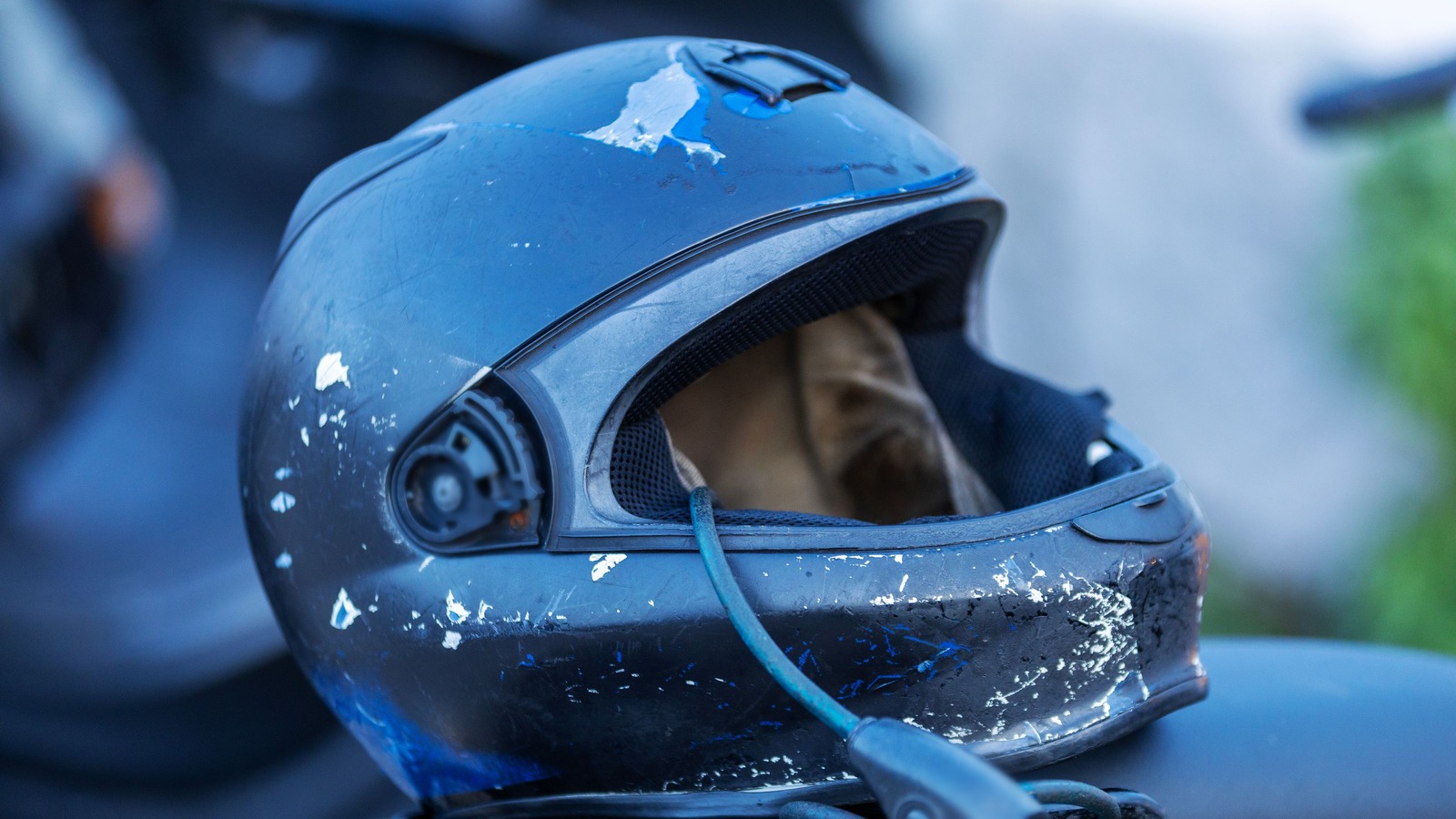
Photo: Frederick Adegoke Snr. on Pexels (photo 36884742), under the Pexels License. Cropped and resized, with the visor pivot hardware and the cable lock tip lightly blurred.
Frequently asked
How long do I have to file a personal injury claim in California after an injury in Manhattan Beach?
Many California injury lawsuits must be filed within two years under Code of Civil Procedure section 335.1. When a public entity such as the City of Manhattan Beach may be responsible, a written claim generally has to be presented within six months under Government Code section 911.2. Exceptions can shift either date, so the deadline that applies depends on the facts.
What should I do after a crash in Manhattan Beach?
Medical care comes first, even when an injury seems minor. When it is safe, it helps to record the responding agency, the officer's name, and the report number, and to photograph the scene and gather witness contacts. Waiting for the report does not pause the CCP section 335.1 deadline, and a claim against the city has a much shorter timeline. These are general points, not a plan for any particular case.
How do I get a police report for a crash in Manhattan Beach?
If the Manhattan Beach Police Department wrote the report, the city's Police Records page says a copy of a police report or accident report is requested from the Police Records Bureau at (310) 802-5150 or through the city's online Public Records Request portal. As of October 2026, the city's public records page said a traffic collision report request may take up to 3 weeks. Steps can change.
Does LAPD or the Sheriff handle crashes in Manhattan Beach?
Generally, no. Manhattan Beach is an incorporated city in Los Angeles County with its own police department, located at 420 15th Street. A crash on city streets is normally handled by the Manhattan Beach Police Department, not by LAPD or the County Sheriff. On state highways the California Highway Patrol generally responds, and the responding agency depends on the exact location.
What if a city vehicle or public property was involved?
Claims against a public entity follow their own rules. Under Government Code section 911.2, a claim for injury to a person generally must be presented within six months after the cause of action accrues. That window is far shorter than the two-year period under CCP section 335.1, so early legal advice is worth considering when a City of Manhattan Beach vehicle, a public employee, or public property may be involved.
Can I still recover if I was partly at fault?
Often, yes. California follows pure comparative negligence, so damages can be reduced by the injured person's share of fault, but shared fault does not bar a claim by itself. How fault is divided depends on the evidence, such as the report, photos, and witness accounts, and a lawyer can explain how the rule applies to your facts.
Attorney Advertising. This article is general information, not legal advice, and does not create an attorney-client relationship. Prior results do not guarantee a similar outcome.